
 Safety
Reduce near-misses with agents that watch the floor—continuously
AccelVeo's AI agents monitor your facility around the clock—detecting proximity hazards, verifying PPE compliance, and identifying risky behaviors before they lead to incidents. Create a safer workplace with continuous, automated safety observation.
Real-Time Proximity Detection for Vehicles and Pedestrians
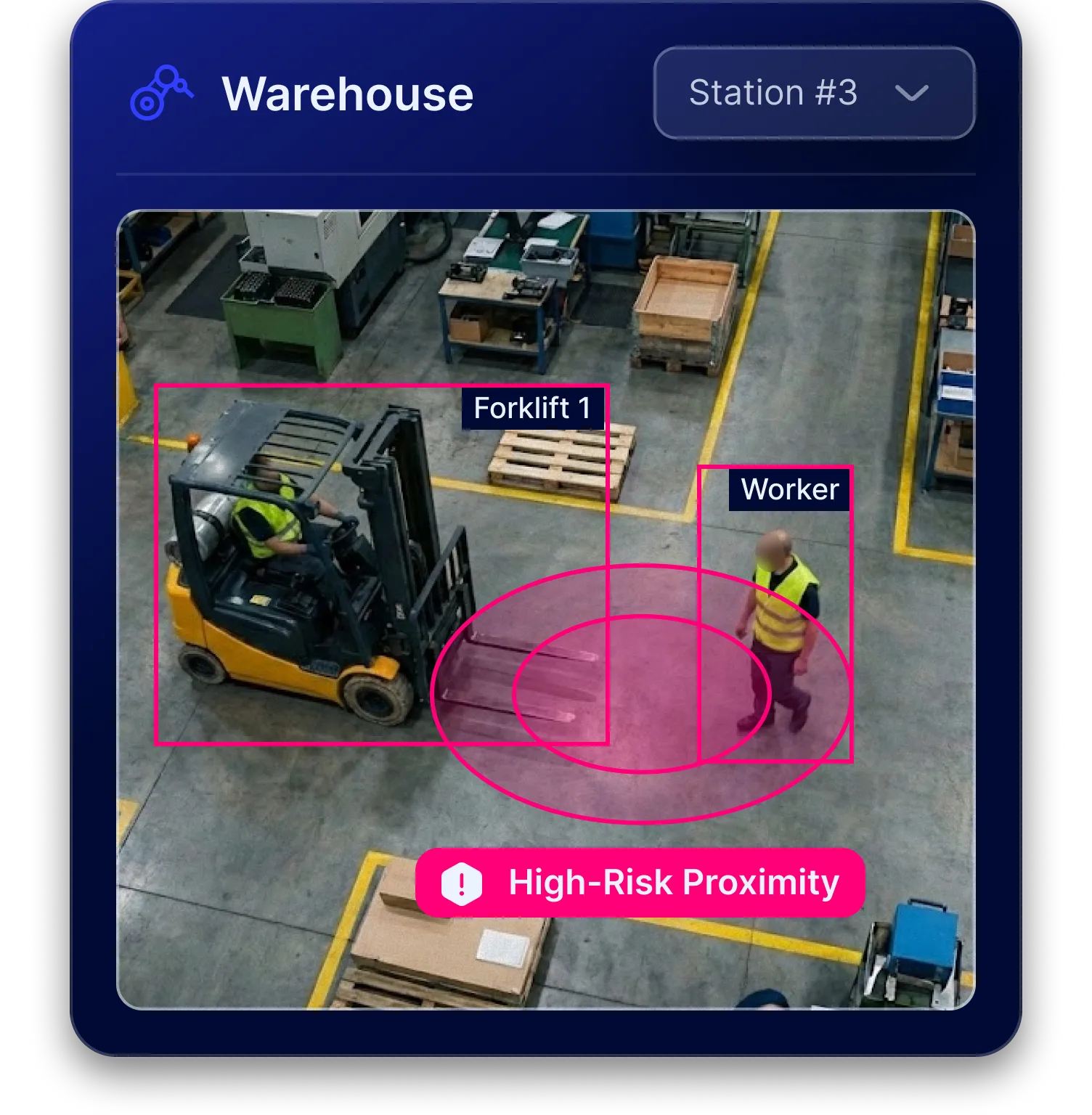
AI vision continuously monitors pedestrian-vehicle interactions, alerting when workers enter danger zones around forklifts, AGVs, or other mobile equipment—preventing collisions before they happen.
Speed Monitoring and Behavior Analysis
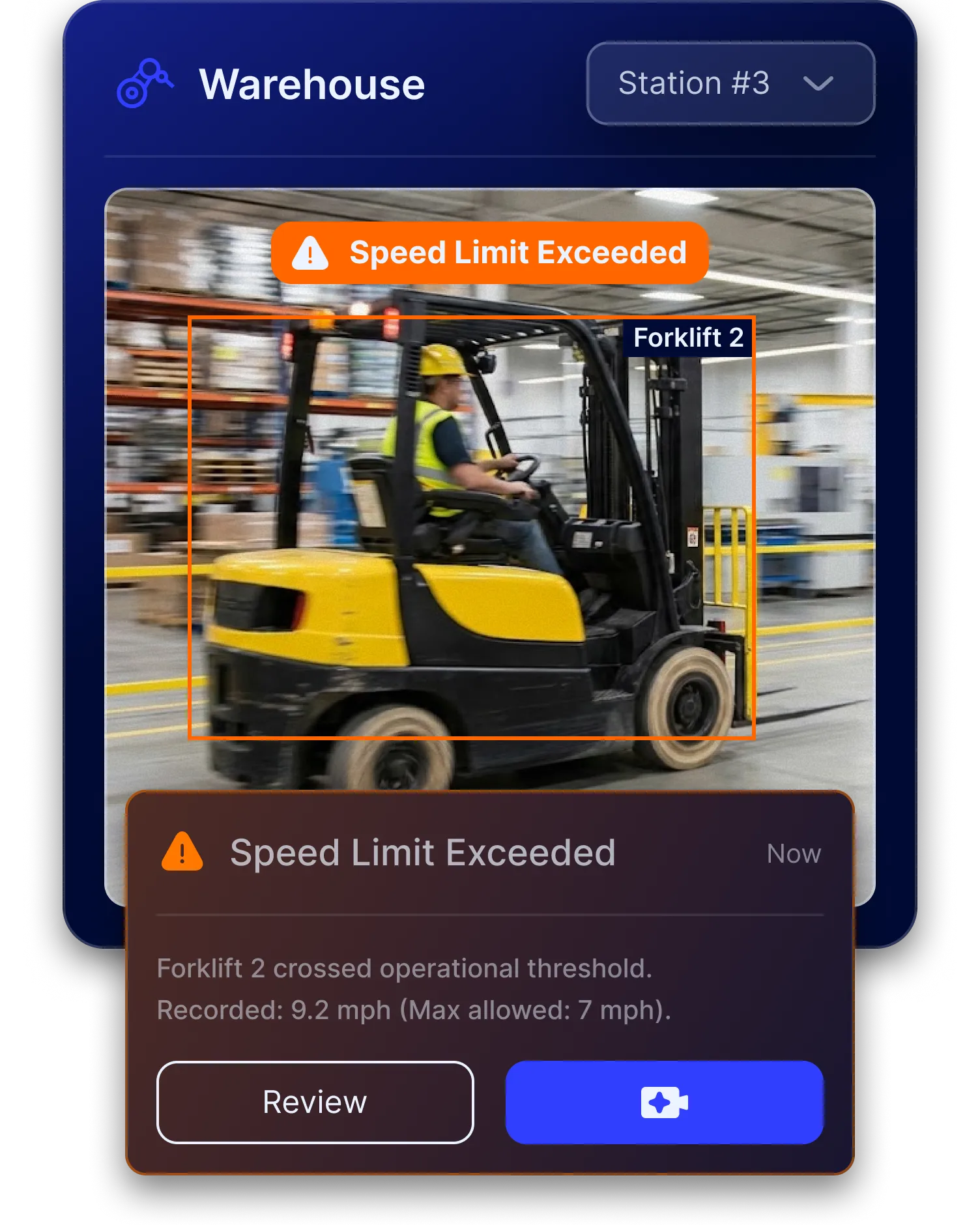
Agents track vehicle speeds, acceleration patterns, and driving behaviors in real-time. Violations trigger immediate alerts, and patterns are analyzed to identify high-risk operators for coaching.
PPE and Compliance Verification
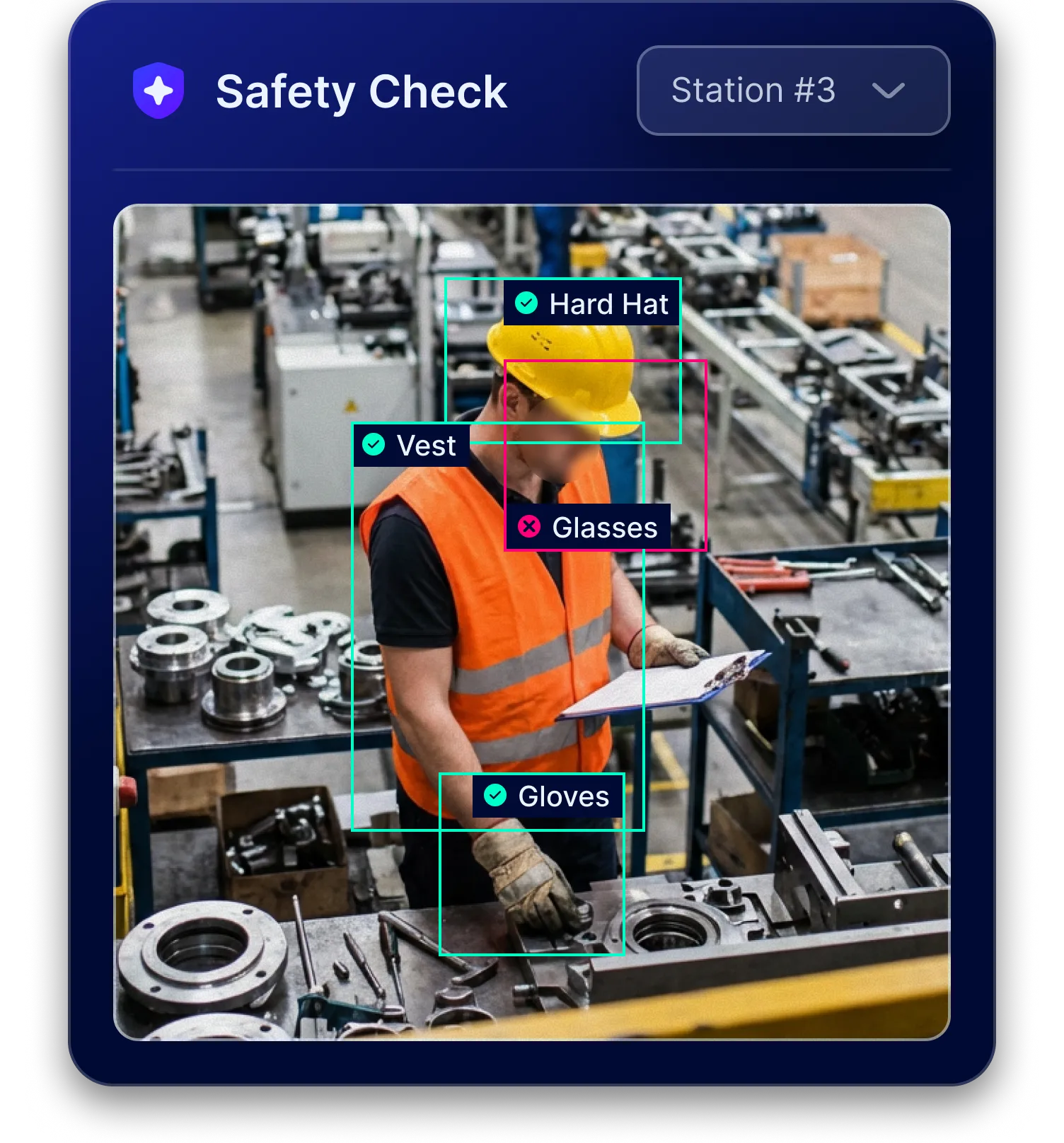
Vision agents verify that workers are wearing required PPE—hard hats, safety vests, glasses, gloves—automatically and continuously, without manual spot-checks or audits.
Restricted Zone and Line-of-Fire Protection
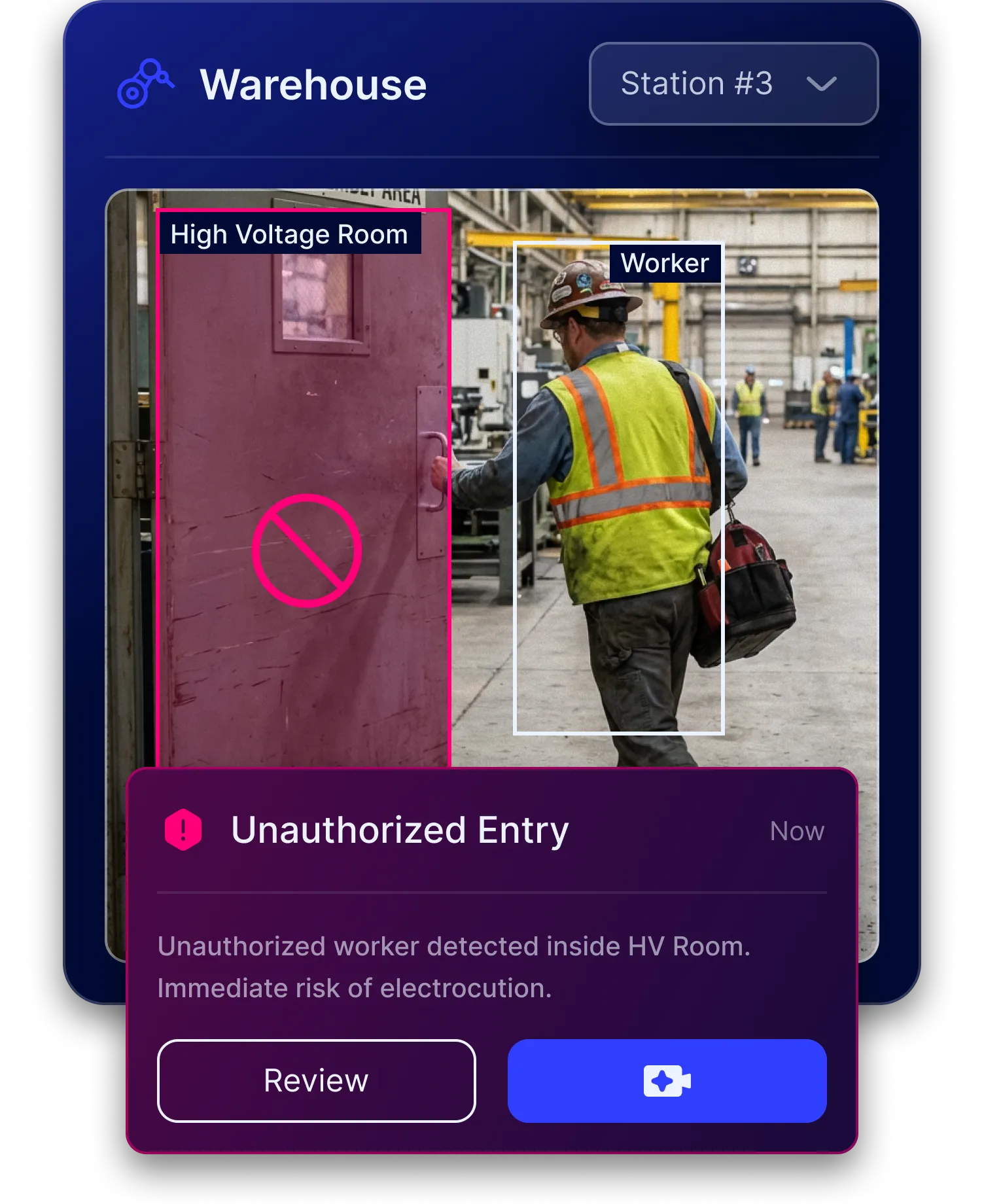
Define virtual safety zones around hazardous equipment, energized areas, or active work zones. Agents immediately alert when unauthorized personnel enter restricted areas.
Detect High-Risk Behaviors Before They Lead to Incidents
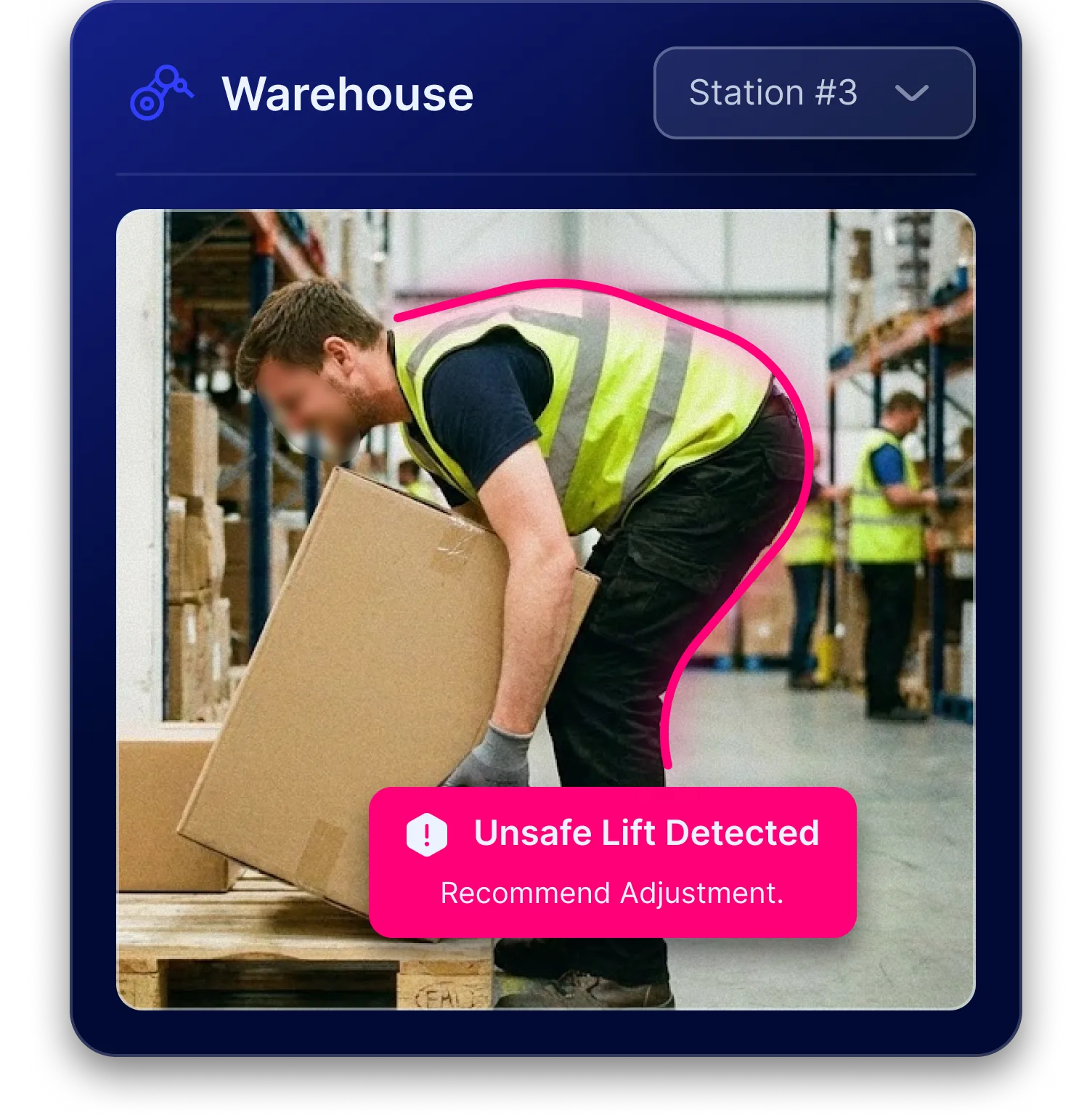
AI identifies unsafe behaviors—improper lifting, blocked exits, bypassing safety guards, distracted walking—and alerts supervisors before these behaviors result in injuries.
Near-Miss Tracking and Leading Indicators
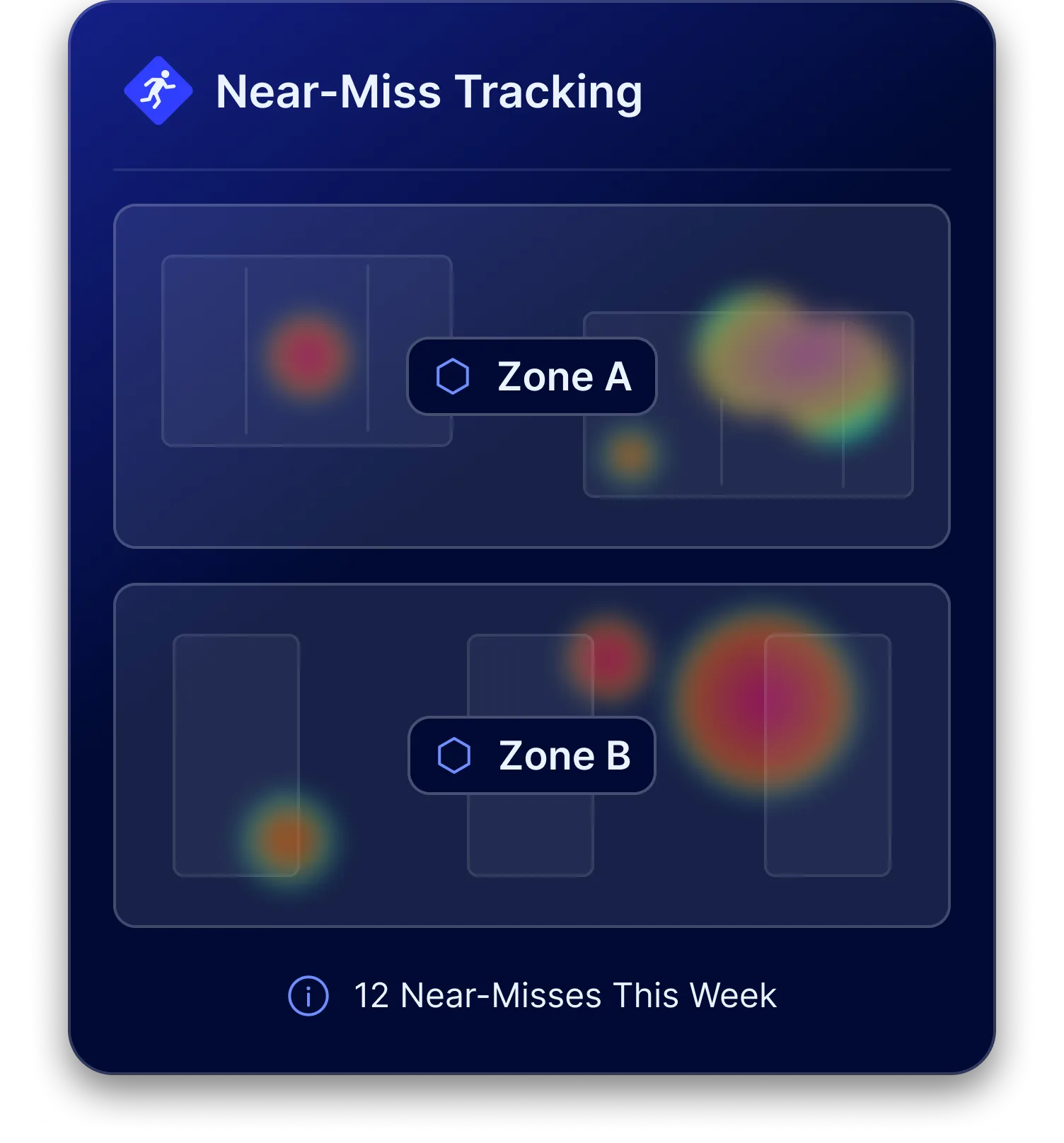
Every near-miss is captured, logged, and analyzed automatically. Track leading indicators to predict and prevent incidents before they occur—shifting from reactive to proactive safety management.
Automated Incident Summaries With Evidence
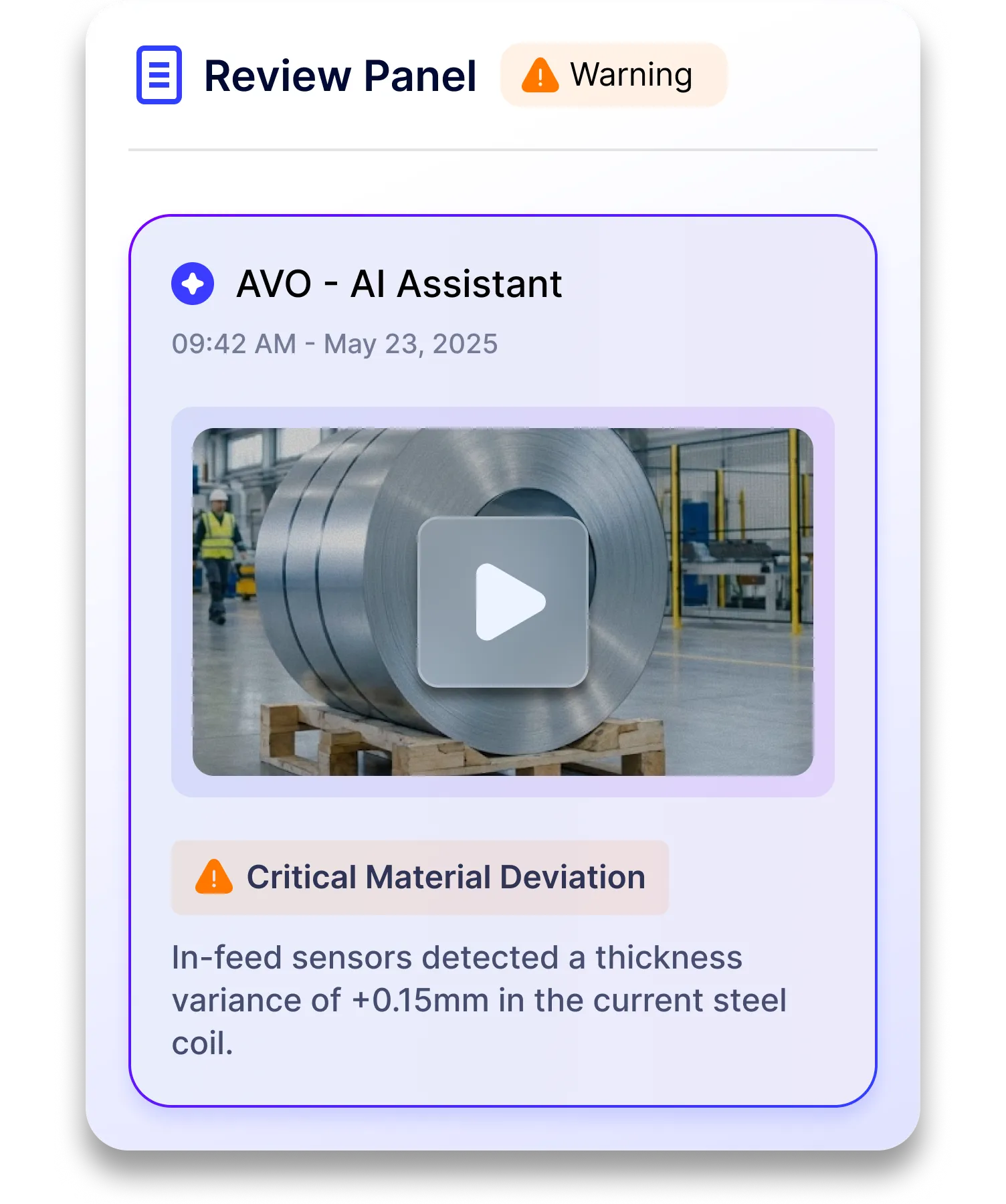
When incidents or near-misses occur, agents automatically generate detailed summaries with video clips, timestamps, and contributing factors—accelerating investigations and ensuring thorough documentation.
Behavior-Based Coaching and Safety Improvement
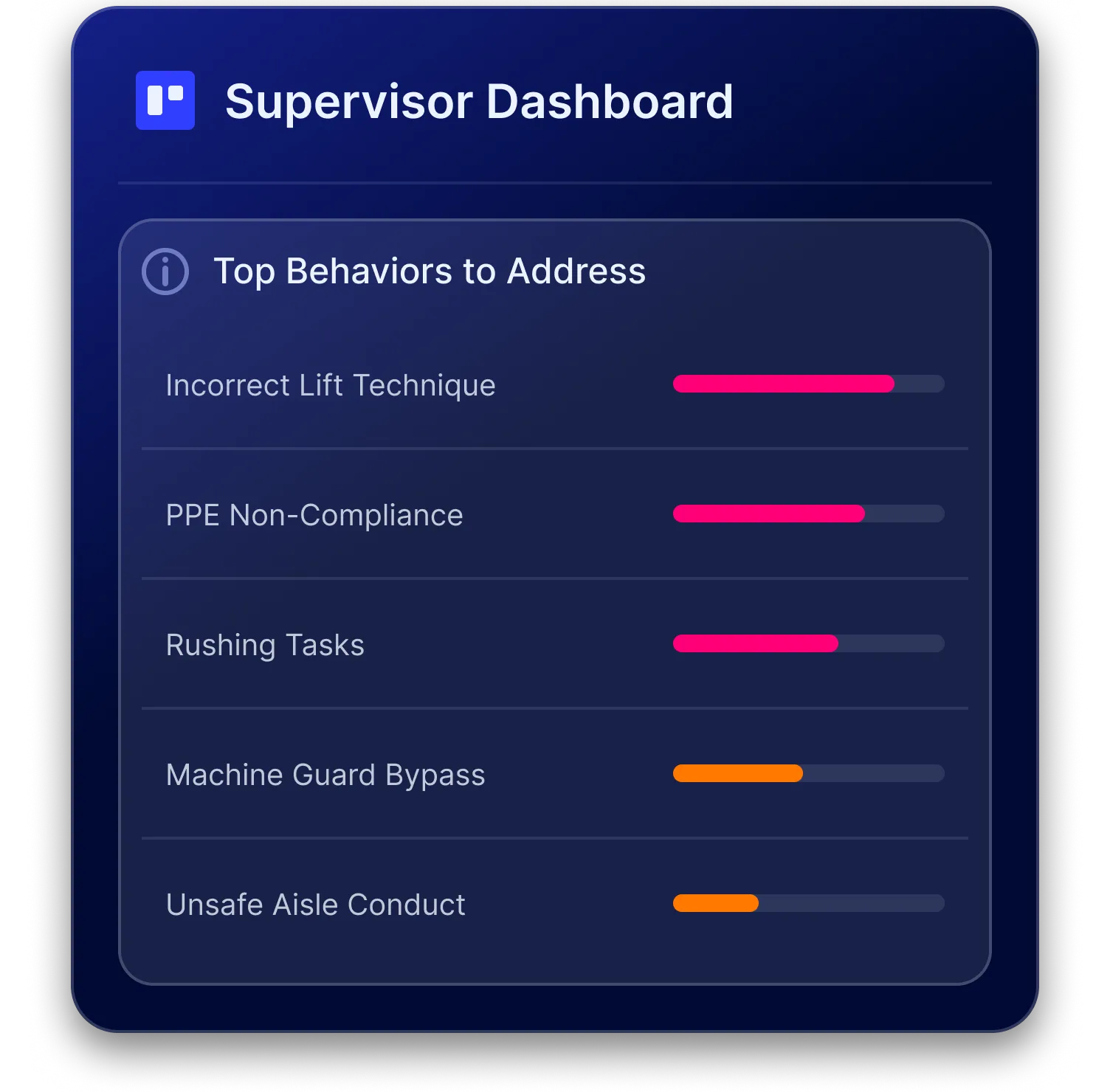
Data-driven insights identify coaching opportunities. Track improvement after interventions, recognize safety champions, and build a culture of continuous safety improvement.
Frequently Asked Questions
Traditional Safety Monitoring vs AI Safety Monitoring
| Criteria | Traditional | AI-Powered |
|---|---|---|
| Coverage | Periodic walk-throughs | Continuous 24/7 monitoring |
| Response Time | Minutes to hours | Real-time (seconds) |
| Consistency | Varies by inspector | Uniform across all zones |
| Evidence | Written reports after the fact | Automatic video capture with context |
| Near-Miss Detection | Relies on self-reporting | Automated capture and analysis |
| Scalability | Limited by headcount | Scales with cameras, not people |
Related Solutions


